


Planning a Festival? Here’s What You Need to Know
We speak to the Festival & Events team at Leicester City Council to discuss what
An exploration of how festivals have developed to become the events we know and love today
Home » The Evolution of Music Festivals
Glastonbury, Creamfields and Download are among the most popular UK festivals we are familiar with these days. However, long before these iconic celebrations of music, art and community came to be, earlier events helped shape the festival experience we recognise in the 21st century.
Keep reading to take a closer look at the history of UK music festivals: where they began, how they evolved, and how they became such a big part of British culture.
You might be surprised to learn that one of the UK’s earliest recorded festival traditions dates all the way back to 1176. Lord Rhys, the powerful 12th-century ruler of Deheubarth in South Wales, invited poets and musicians from across Wales to gather at his castle in Cardigan. The winners were given a chair at the Lord’s table, a tradition that still lives on today through The National Eisteddfod of Wales. Over the centuries, the Eisteddfod has grown into a major celebration of Welsh music, poetry and culture, and this year (2026) marks an incredible 850 years of history.
Fast forward to the 1960s and early 1970s, and UK festivals really started to look more like the ones we attend today. Events such as the National Jazz and Blues Festival, the Isle of Wight Festival and Glastonbury (first launched as the Pilton Pop, Folk & Blues Festival) helped set the tone for the outdoor, multi-day camping festivals we know and love.
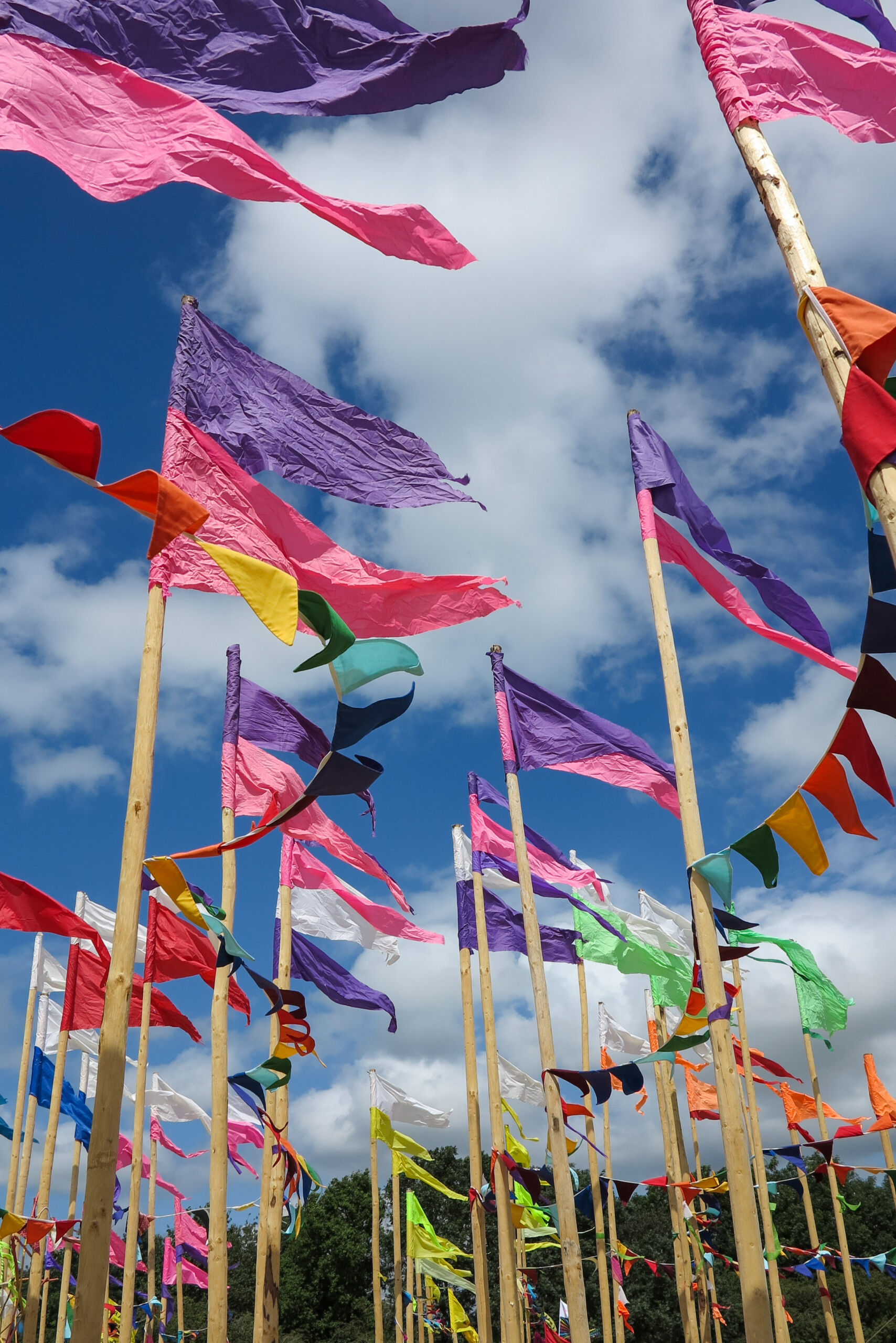
According to The Association of Independent Festivals, 2025 saw almost 600 festivals across the UK, a mix of greenfield events such as Reading & Leeds or Download, and single or multi-venue events in towns and cities.
In the same year, a PPL PRS survey* found that over 70% of respondents were planning on attending a live music event or festival, with over 35% of those planning on attending 3 or more events within that year. It shows just how much we value live music and the festival experience. Whether it’s the food, the community, or the chance to see your favourite artist live, people flock to festivals each year for that one-of-a-kind buzz you only get from live events.
UK festivals have seen some iconic moments over the years. One classic ‘you had to be there’ moment came when Arctic Monkeys performed ‘I Bet You Look Good on the Dancefloor’ in August 2005 at Reading and Leeds, just six weeks before its release which would become the band’s most played live song to date with almost 900 performances under their belt.
When Beyoncé took to the Glastonbury stage in 2011, she became the first solo female artist to headline the festival in almost 25 years, following Sinéad O’Connor in 1990. Her 90-minute set was watched live by 2.6 million people across the country.
Another standout moment on the iconic Glastonbury stage was the late Dolly Parton. The legendary country singer brought a crowd of over 180,000 people to the traditionally rock and indie festival to watch performances of her timeless tracks including ‘Jolene’ and ‘9 to 5’. Since her passing in August 2026, the BBC has re-released her 2014 performance in her memory.
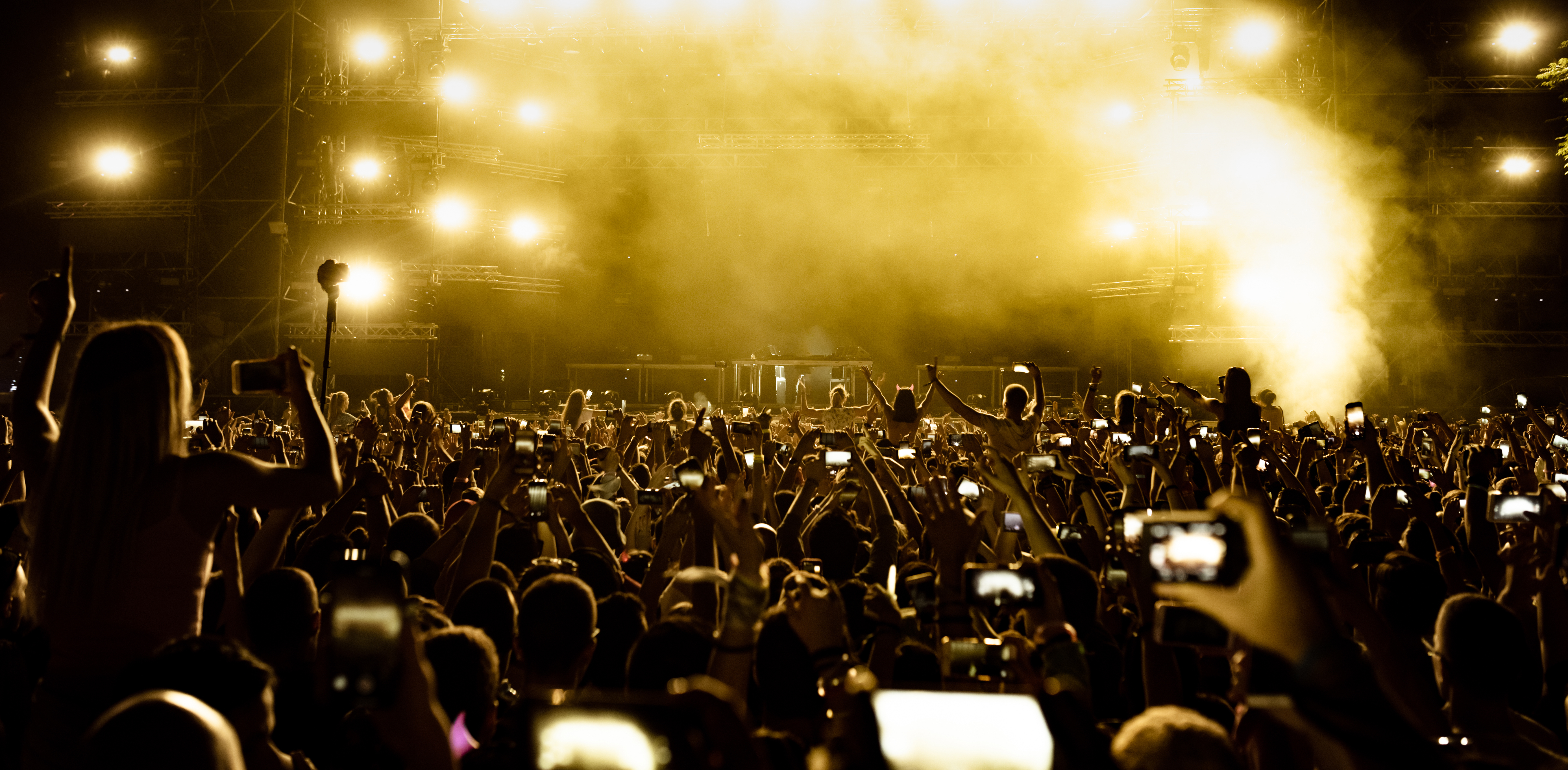
A 2024 study compared the experience of participants when watching a concert in the venue where performers and audiences share the same space and time, versus those that watched the performance via live stream. Participants that watched the concert in the venue reported higher levels of appreciation, they felt more moved and had more of an emotional response compared to those in the livestream condition. The same theory applies to festivals; nothing beats the feeling of watching your favourite artists live. The PPL PRS survey supports this thinking, as the top emotions participants reported that they felt while attending festivals and live music events were ‘Happy’ (73.4%), ‘Excited’ (73.4%) and ‘Positive’ (49.5%).
Madeline Castrey, Expert Musicologist for PPL PRS, also explains how a key component of enjoyment of live music is spontaneity.
That anything can happen energy … is really exciting, particularly when we experience it as a collective and that is where we get that magnetic gig feeling that we all love, that we go to festivals for.”
Madeline Castrey, Expert Musicologist for PPL PRS
She also goes on to talk about entrainment, which is when our body syncs up with the beat of the music we are listening to. Whether that be an adrenaline pumping metal song, or a calming classical tune, our body can have a “profoundly powerful reaction” to music, live music in particular. Madeline also mentions how we may notice synchronicities in our movements when in a crowd with others in the crowd. “It helps us really tap into our collective. It’s an evolutionary trait, and it’s absolutely wonderful when you’re in a group setting, when you’re sharing music with like-minded people.”
We recently spoke with Leicester City Council about their 2026 Riverside Festival, and what’s next for them. Each year, the team start planning next year’s festival as soon as the current one takes place. Graham Callister, Head of Festivals, Events & Cultural Policy at Leicester City Council explained that he uses the live event to spot ways to improve the Riverside experience.
“I walk around the site and I look at the ways that we can improve the festival experience for people coming to Riverside. We’re then in constant briefing meetings, de-briefing meetings post-event, to work out where are the areas that we need to improve on.”
Kellie Bugby, Leicester City Councils Festivals & Events Senior Officer also shared what’s next for Leicester’s Riverside Festival.
“The festival has grown year-on-year and I think it’s made possible by the amount of organizations in Leicester, the amount of artists and local crafters and by them all being involved in it. It allows us to grow the programme. We are hoping to move that forward year-on-year and just make it bigger and better each time.”
As technology and society evolve, so will festivals, and it may even mean the rise of VR and AR. Technology advances may give people the opportunity to experience festivals in a more immersive way. It could also make festivals and live events more accessible for people that can’t attend in person. Technology will no doubt change how festivals look and feel, but the heart of them will stay the same, shared music, community and unforgettable live moments.
If you’re looking to organise a festival, head to our dedicated Success Story on Leicester Riverside Festival to read more about how Leicester City Council managed and co-ordinated Leicester’s largest annual free, inner-city festival.
*Survey conducted by PPL PRS of 500 respondents in June 2025, via Attest
We speak to the Festival & Events team at Leicester City Council to discuss what
These dreamy destinations are perfect to start the summer off on a high.
The UK’s favourite love songs revealed…and a music therapist reveals why we swoon for romantic
Set up a new music licence for your business or organisation.
Get TheMusicLicence